

By Turi Trainor
Virginia lawmakers are considering legislation that would allow developers to bypass certain local zoning procedures, a change they hope could increase the amount of available housing.
The bills would give more control to state government, something their sponsors hope would streamline the development process.
But Lexington City Council member Leslie Straughan says many localities are against the proposals because they take away local control.
“We like the bills that give us more tools to use and provide financing,” she said. “We’re really just against any bills that say ‘shall’ rather than ‘may.’ And that’s been the problem as of late.”
Lexington City Council member David Sigler says Virginia legislators are introducing these bills to address the need for housing.
“I think we all agree, we want affordable housing,” he said.
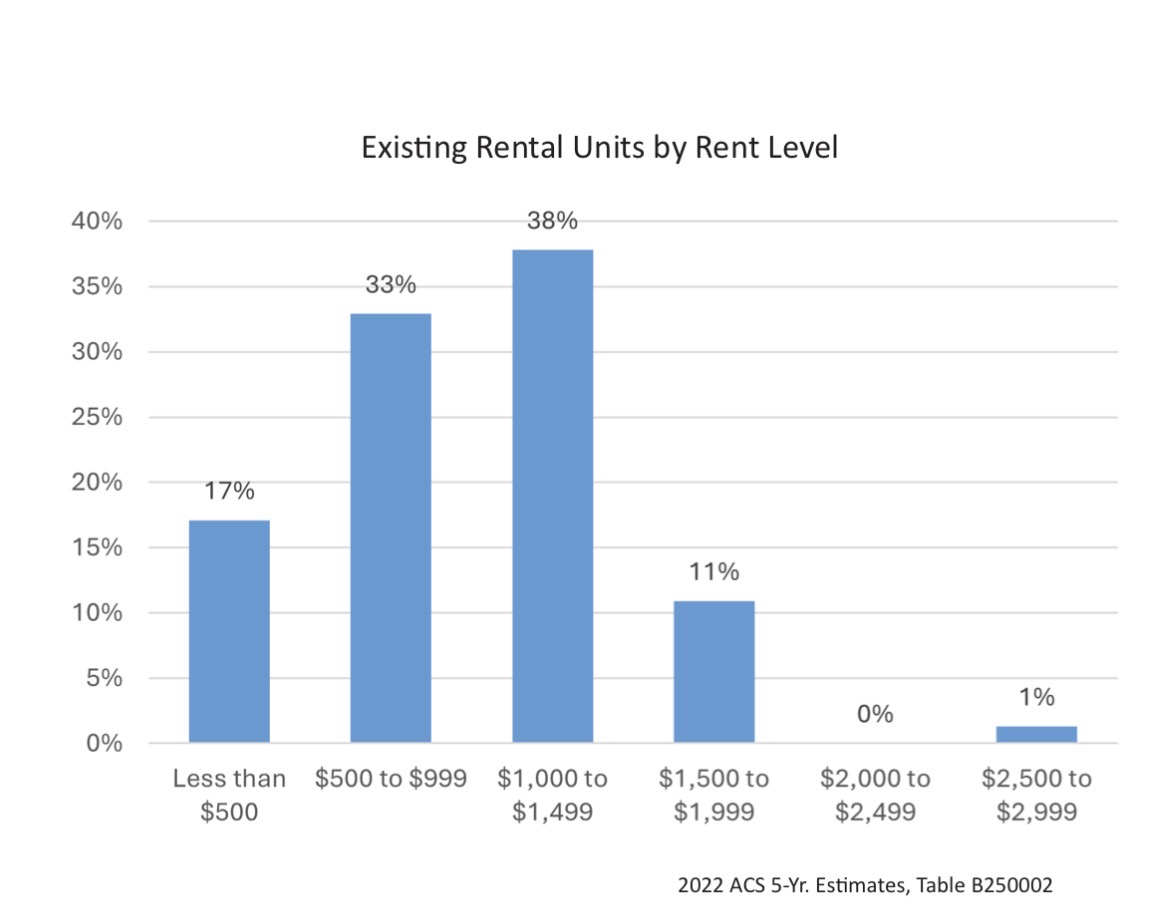
According to the 2025 Lexington Housing Study, just under half of the city’s population spends more than 30% of their income on housing.
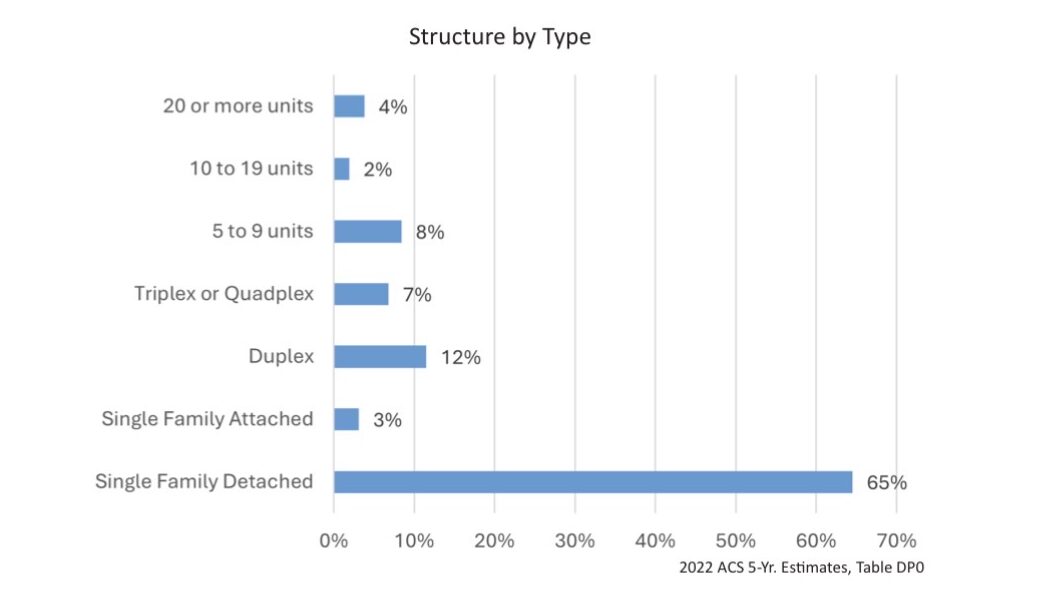
Additionally, 65% of the occupied housing structures in Lexington are single family detached houses. The study suggested that the city should look for diversified housing types, like apartments or multi-family buildings, to increase affordability and availability.
House Bill 816 would require local governments to allow apartment buildings and other multi-family homes to be built “by-right” in most places where land is currently zoned for business or commercial uses. “By-right” means development is automatically allowed under existing zoning laws, without the need for special approval or permits. The bill, sponsored by Del. Dan Helmer, would remove the need for conditional use permits and public hearings.
“You can just do what you want if the criteria are met and cut out the local people,” Sigler said.
House Bill 801, also sponsored by Helmer, would allow homes constructed in a factory to be permitted in all zoning districts that allow homes built permanently on the land.
House Bill 1279, sponsored by Del. Joshua Cole, would authorize religious organizations and other nonprofit, tax-exempt groups to build affordable housing on land they already own. These entities could construct housing without needing conditional use permits.
Sigler said it’s true that the bills would help reduce housing problems, but that Lexington knows itself better than the legislators.
“That sounds good on certain levels, but churches might have land in the middle of a community or a neighborhood, and it just doesn’t make sense what they might decide to do,” he said.
All three bills were first introduced in January. HB816 passed in the House in late January by a 64-35 vote. HB1279 passed in the House 60-36 early this month. Both bills have been sent to the Senate’s Local Government Committee. HB801 is in the House’s Counties, Cities and Towns Committee.
Sigler says he doubts all the bills will pass, at least not in their current form.
“Maybe one of them might, and it might be a little modified,” he said.
Lexington City Council members say their main concern with these bills is their effect on local government.
“We prefer local control. We all say we want local control,” Sigler said. “Well, here’s an opportunity to keep things at the local level.”