

by Meaghan Latella
Gardening class teaches dangers of non-native plants
A trip to a greenhouse big-box home improvement store for some pleasing plants could be deadly for native species, local experts say.
Many people aren’t aware of the threat the invasive plants pose.
“You just need to be very selective about what you bring into your [home] environment,” said Jennifer Hughes, Lexington’s arborist. “Really doing your homework and knowing a little more about your plants [will help].”
An invasive plant is one that is not native to the United States. When planted on U.S. soil, an invasive plant has the potential to spread rapidly and uncontrollably.
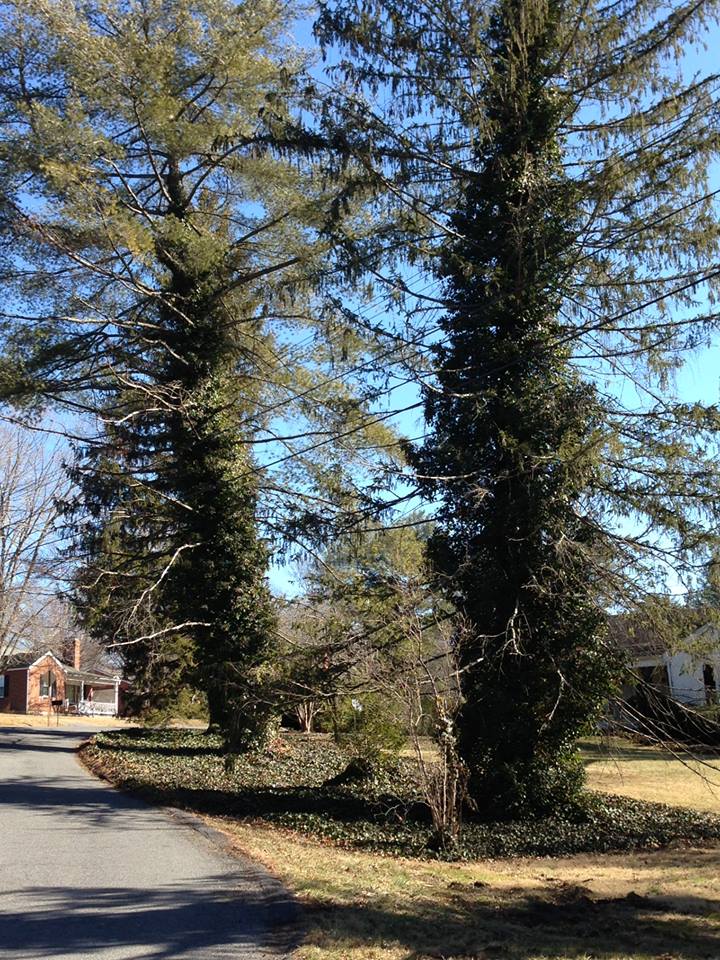
Cynthia Taylor, former natural resource manager of the Elachee Nature Science Center in Gainesville, Ga., described the danger to a meeting of the Rockbridge Area Master Gardeners Association Jan. 29.
“The most important thing people need to know about invasives is that they’re the number two cause of loss of diversity in our [nation’s] forests,” Taylor said. “Biodiversity matters. Without biodiversity, our systems will collapse, and we will be in a world of hurt.”
Every ecosystem depends on biodiversity to generate oxygen, clean water sources, pollinate crops and control flood damage, Taylor said.
Native plants support native insects, something invasive plants don’t do, Taylor said. Insects serve as the main food source for the native bird population. Planting invasive species deprives insects of food, which in turn deprives birds of food. Eventually, all native wildlife becomes affected by these disruptions in the food chain.
“[Invasives] compete with native species for light, water and space,” Taylor said. “[They] are often overlooked by gardeners.”
Hughes said invasive plants are a lot harder to control than people realize.
“Most invasives produce so rapidly that it becomes a nightmare for maintenance,” Hughes said. “There is a lot more clean up and control measures involved, which in turn raises the cost. A ton of the invasive trees, especially, are extremely weak wooded and short lived. They quickly become liabilities and cost more to care for and replace.”
Taylor said gardeners can help slow the spread of non-native plants by mapping which species of invasives exist in their own backyards. When a city has a more comprehensive idea of how widespread its invasive species problem is, it has a better chance at managing further spread of non-natives. Gardeners can report the invasives that have infiltrated their gardens at http://www.eddmaps.org.
Hughes said Asian and Japanese plants thrive in the Rockbridge area because the climate is similar to that of Asian countries.
“There are wonderful [native] substitutes for all of these plants,” she said. “For example, ninebark is a native replacement for Japanese barberry. It has red leaves just like barberry [does].”
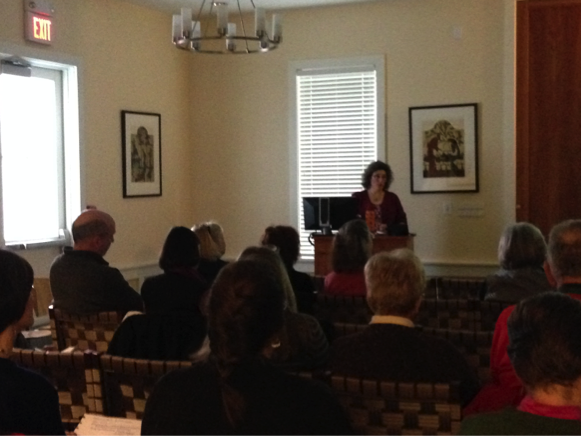
Local gardeners need to enlist in the effort to manage invasives, Hughes said. But it won’t be easy.
“You’d better be prepared — emotionally, physically and most of all financially — when you go to battle with the foreign invaders,” she said.
Check out this comprehensive list of invasive species in Virginia.
For more information about the Master Gardeners and about how to become a member, visit http://www.ramga.org.