

By Cecilia Roberts
Farmers in Rockbridge County and across the nation are feeling pain of higher costs of fuel and fertilizer due to the Trump administration’s tariffs and the war in Iran.
The war has driven up the price of diesel fuel and nitrogen fertilizer as international trade has restrained buying and selling, according to the American Farm Bureau Federation. Many farmers use synthetic fertilizers on their farmland, which are made with nitrogen.
“Prices are really going to make a jump when the supply of nitrogen that’s on hand is used up,” Mack Smith said.
The ongoing conflict has blocked trade passages through the Strait of Hormuz, a waterway between the Persian Gulf and the Gulf of Oman. About a third of nitrogen-based fertilizer ingredients and about 20% of oil passes through the Strait of Hormuz for the global market, according to the federation.
Because of this, fertilizer costs have risen by more than 30% and diesel fuel prices are reaching over $5 per gallon. The inflation of producer prices has increased by 3.4% since February 2025.
“Regardless of whether you do crops or livestock, there’s a great deal of diesel fuel that’s used,” said Tom Stanley, agent at Rockbridge Co-Op Extension Services.
Fuel, fertilizer and feed are necessities for most farm production. With the spring planting and harvest season on the periphery, farmers are experiencing high costs at an important time.
Tariffs impact farmers’ budget
This is not the first time American agriculture workers have experienced increased tariffs in recent years.
On Feb. 1, 2025, the federal government announced a 10% tariff imposed on Chinese imports and a 25% tariff on Mexican and Canadian imports. This does not only increase the price of consumer goods but also increases the prices of farming necessities, according to the American Farm Bureau Federation.
Tariffs imposed on Chinese imports have especially impacted soybean farmers, as China is the primary soybean supplier for the U.S., and their exports have been delayed.
The majority of operating farmland in Rockbridge County is used for livestock and cattle, according to the Rockbridge Co-op Extension Services.
There are over seven million acres of operating farm operations in Virginia, with 124,983 acres of that land in Rockbridge County, according to the most recent Census of Agriculture data in 2022. Nearly 35,000 acres of this are cropland, accounting for 26% of state agriculture sales. Livestock, poultry and other products account for the remaining 74% of state agriculture sales.
Cattle and livestock farming dominates the local agriculture industry, but fuel and fertilizer are used by all types of farmers.
Even if farmers haven’t already experienced the effects of high costs, they are bracing for it.
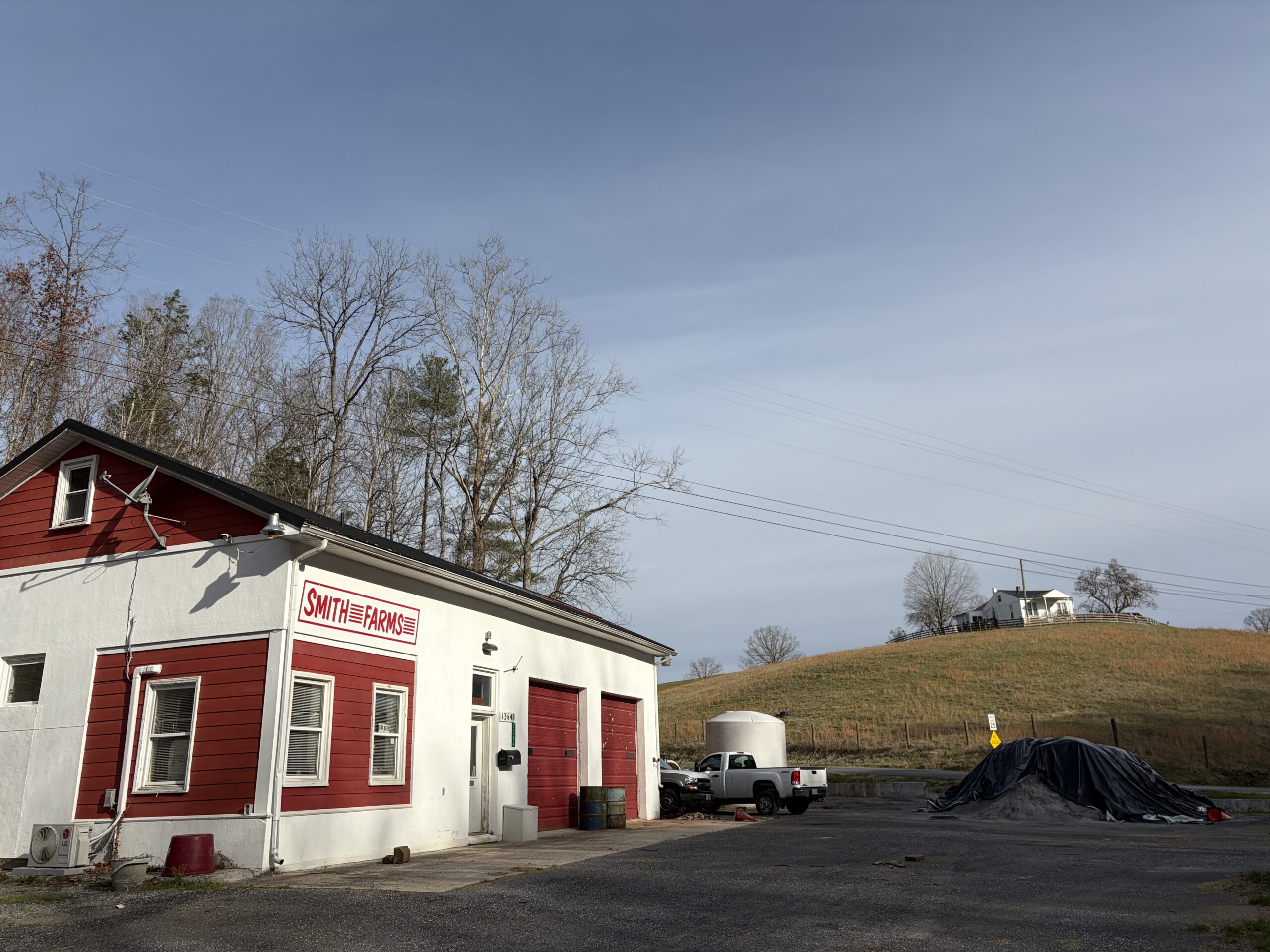
“Most full-time farmers are in the same boat,” said Lexington crop and cattle farmer Mack Smith. “I think everybody’s making some plans.”
The corn-producing states in the Midwest mostly lay nitrogen-based fertilizer in the fall before the soil freezes in the winter, which could prevent the land from absorbing the treatment. Farmers in the Southeast typically do not do this because by the time of spring harvests, the nitrogen would have disappeared and permeated into groundwater, according to Rockbridge Co-Op Extension Services.
These rising prices are affecting farmers near the time of spring farming season, when fuel and fertilizer are important components in producing harvests.
“Nitrogen is what really boosts the yield, but it’s really gone up in price,” Stanley said. “It’s a significant impact.”
If the war continues, Smith said, it will affect everyone.
Smith, who has cattle and also grows corn and hay on his farm in Lexington, said he is prepared for these setbacks because he has a fuel supply on his farm that is expected to last for the foreseeable future.
He had been using organic fertilizers on his cornfields and hayfields this season, even before the war began. Although nitrogen-based fertilizer costs have skyrocketed, Smith said, it won’t have much of an effect as long as the war in Iran stops in the next 60 days.
“I think it’s a wait and see,” Smith said. “Prices are really going to make a jump when the supply of nitrogen that’s on hand is used up. If you do see that price increase, you’re going to see a whole lot less acres of corn planted than ever before.”
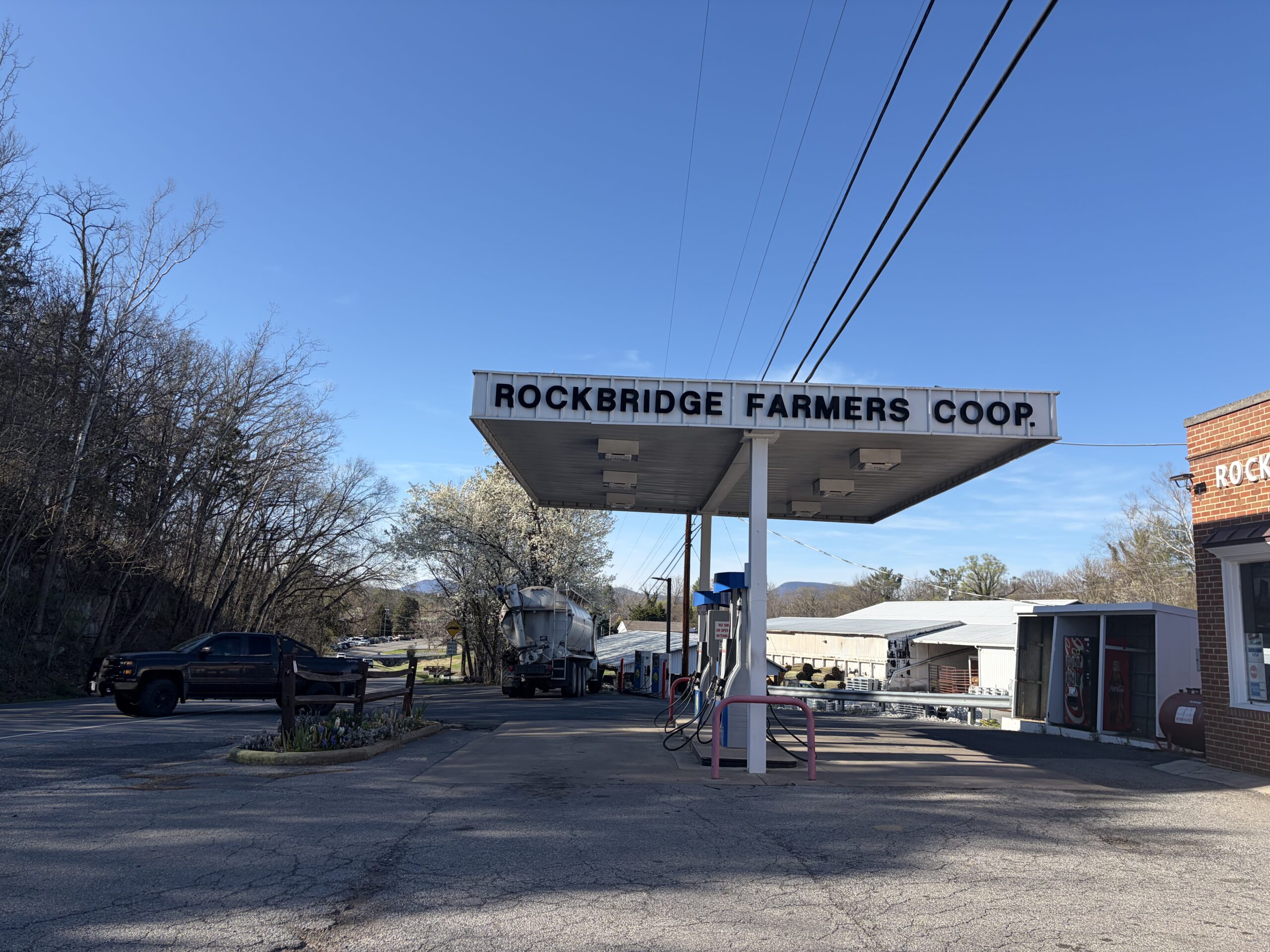
The person who answered the telephone at Rockbridge Farmers Co-Op – a local equipment, feed, fertilizer, and fuel provider – said there is a widespread feeling of unhappiness about the increased costs, but declined further comment. A handful of people at the store, including customers and an employee, declined to comment on the rising costs this week.
A woman who answered the telephone at Tractor Supply in Lexington, a livestock feed and supply store, said the tariffs are impacting everyone. She declined further comment and referred a reporter to Tractor Supply’s corporate headquarters. A message left there was not returned.
Row crop farmers can apply for federal funding
Farmers can apply for a federal assistance program providing single payments to row crop farmers experiencing financial stress due to the higher costs. The Farmer Bridge Assistance program is funded by the U.S. Department of Agriculture and is accepting applications until April 17.
The funding is intended to tide farmers over until federal compensation from the One Big Beautiful Bill Act extends to qualifying recipients in the fall. Farmers are considered eligible based on their current involvements in farming and crop losses in 2025 caused by market disruptions from tariffs.
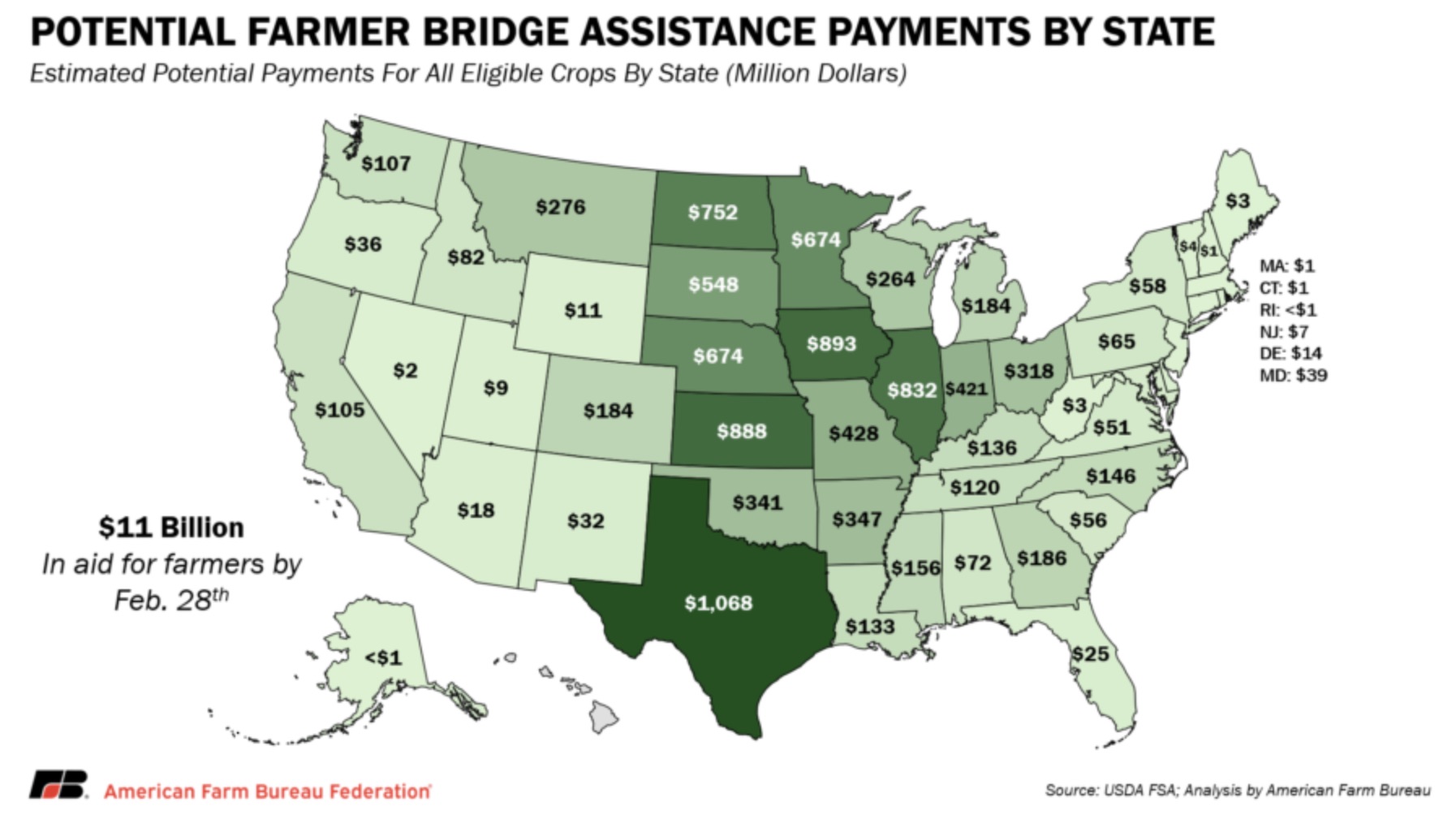
Virginia is projected to receive $51 million of the $11 billion funding. Map courtesy of the
American Farm Bureau Federation
“The main impetus for these payments is considered an economic support payment due to tariffs that were being imposed,” said Tony Banks, senior assistant director at Virginia Farm Bureau Federation.
Since only a small portion of the farmland in the county is for crops, Smith said, federal programs for row crop farmers, such as the Farmer Bridge Assistance program, don’t serve as big of a purpose here.
“In Rockbridge County, there’s so few acres of crops here,” Smith said. “There’s not even a couple of handfuls of people growing corn as a cash crop.”