

By Catherine Keightley
The region’s last two locally owned pharmacies are fighting to stay open as their owners say insurance reimbursement models and delayed payments have made it increasingly difficult to keep their doors open.
The owners of Lexington Prescription Center and Buena Vista Family Pharmacy say they are being reimbursed less money than the cost of the medication.
In the Rockbridge County area, the loss of a local pharmacy would mean more than fewer choices. It would mean reduced access to personalized care: pharmacists who know their patients, help manage complex problems and provide services residents say are harder to find at corporate chains.
Fairfield resident Kelly Swink, 55, said that personal attention made a critical difference during a medical crisis.
“I couldn’t really read my prescriptions because I had a stroke about a week and a half ago, and they just kind of helped me through all that, where I couldn’t have done it myself,” he said.
Swink said he would choose a local pharmacy over a national chain because staff treat patients as individuals.
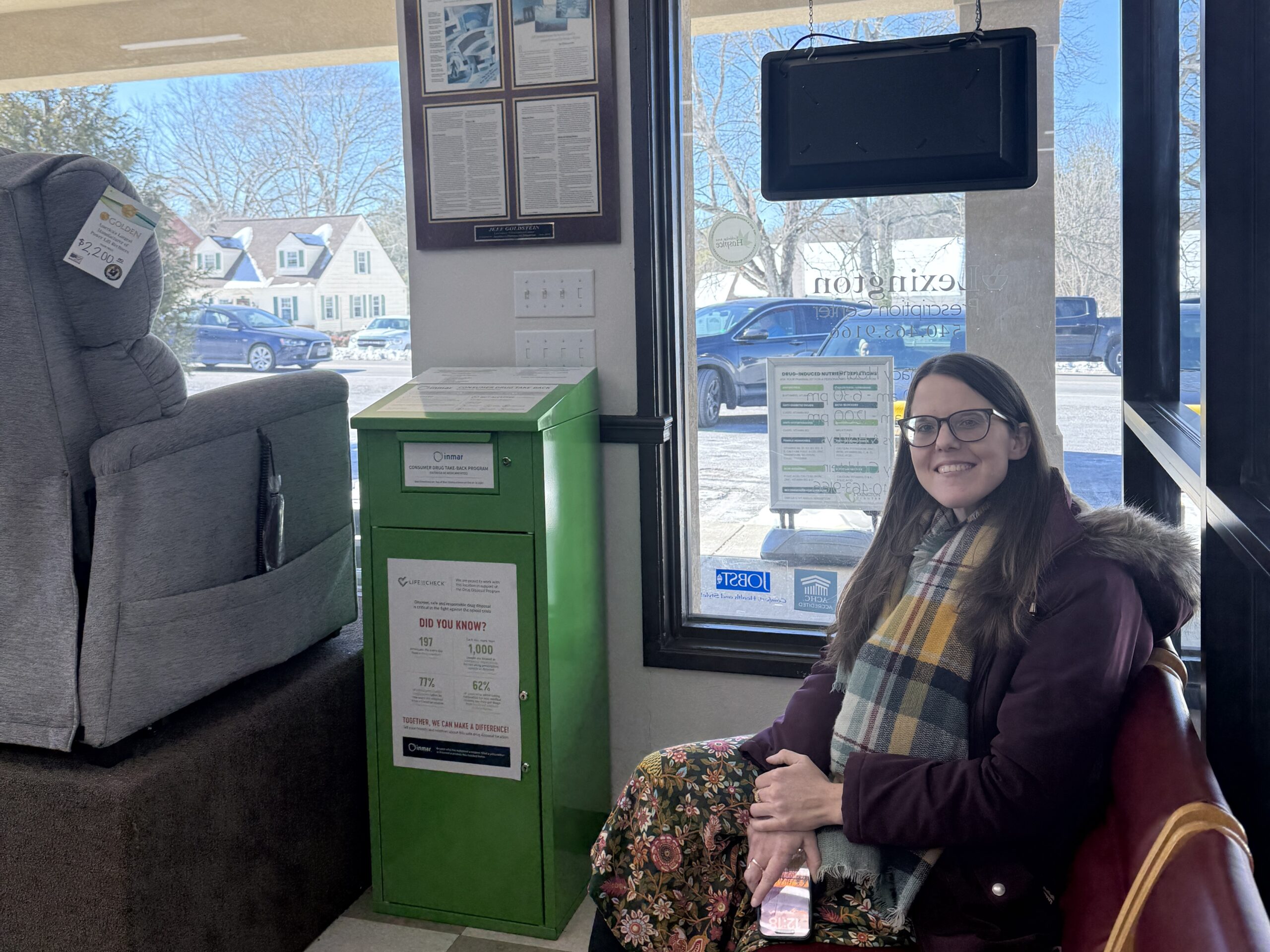
Another Fairfield resident, Christie Cash, switched from CVS to Lexington Prescription Center four years ago. She said she struggled to reach anyone by the phone or have her questions answered at a chain pharmacy, especially when dealing with controlled medications. She drives nearly half an hour for her medications.
“There is something about having a small business rather than a big corporation who doesn’t really care whether they answer your phone calls or not,” Cash said. “It’s valuable in itself to just be able to connect with people that are a part of your community.”
Cash said her parents’ Medicaid only allows them to go to CVS. “They have had the same frustrations I have had,” she said.
For independent pharmacies, those frustrations are linked to the reimbursement system that owners say makes it harder to compete. Jeffery Goldstein, owner of Lexington Prescription Center, says this business model forces the owners to absorb the financial loss that comes from the reimbursement system.
“I’ll dispense a medication and lose money on it,” Goldstein said. “I think a lot of pharmacies are going to have a lot of hard times.”
Buena Vista Family Pharmacy owner Brian Morris said reimbursement pressures shape every aspect of running his pharmacy.
“By far the biggest challenge is reimbursement,” Morris said. “We have a number of medications where we’re reimbursed below cost, and that’s not a sustainable business model.”
Morris described this issue as “a daily battle,” saying delayed payments and tight margins have forced him to constantly shift funds just to cover the cost of running the pharmacy.
The reimbursement problem hits rural pharmacies harder partly because they serve more patients covered by Medicaid.
“As pharmacies continue to close, it’s the patients who are going to feel it,” Morris said.
Rockbridge County has 5,122 members enrolled in Medicaid, representing roughly 23% of the county’s population. Data was not available for Buena Vista and Lexington. Medicaid typically reimburses pharmacies at lower, fixed rates than private insurance, which gives rural pharmacies less financial flexibility.

Pharmacy owners say they have had to adjust how they operate while facing limited flexibility with the current business model.
In order to cope with the delayed costs, Goldstein said he sells different types of products and services. The owner said his pharmacy does vaccines, sells custom orthotics and even brings in respiratory therapists for customer care.
“That’s the reason why we survive, because we have so many different things going on,” he said. “When one department doesn’t do well, the other department helps that other department out.”
Morris, on the other hand, said his pharmacy has had to “make some cuts” and “shift money around” to ensure they can pay the wholesalers.
But rural pharmacies are struggling all over the commonwealth, not only in the Rockbridge region.
Independent pharmacies have steadily closed in recent years, leaving many areas with fewer options for filling prescriptions, receiving vaccines or accessing basic health services.
In November 2025, the Virginia Board of Health formally recognized “pharmacy deserts,” areas with limited or no access to community pharmacies, as a public health threat. The board said the Commonwealth lost 32 pharmacies in 2025 alone.

As pharmacy closures have increased, owners turn their attention to the systems that determine how pharmacies are paid for the medications they sell.
One system—pharmacy benefit managers—helps negotiate the prices for prescriptions between the insurance companies and the pharmacies. PBMs decide prices and reimbursement rates for the insurers, which decides how much pharmacies are paid for each prescription.
Morris said independent pharmacies lack the ability to negotiate reimbursement terms and are forced to accept contracts to continue serving insured patients. Pharmacy owners say this makes it difficult for small pharmacies to sustainably operate under the current model.
At the federal level, proposed legislation like the Save Local Pharmacies Act would limit certain PBM contracting practices and adjust how pharmacies are reimbursed. But similar proposals have stalled in Congress in the past.
While the future of these reforms is uncertain, Rockbridge pharmacy owners say they must continue working under the current system as closures continue statewide.
Morris said he worries about what continued closures could mean for communities like Buena Vista. If independent pharmacies disappear, he said, patients will be left with fewer options and less personalized care.
“As pharmacies continue to close, it’s the patients who are going to feel it,” Morris said.