

By Jordan Hoover
Some city officials are expressing concerns about what they call “institutional creep,” following a series of Washington and Lee University offices expanding downtown.

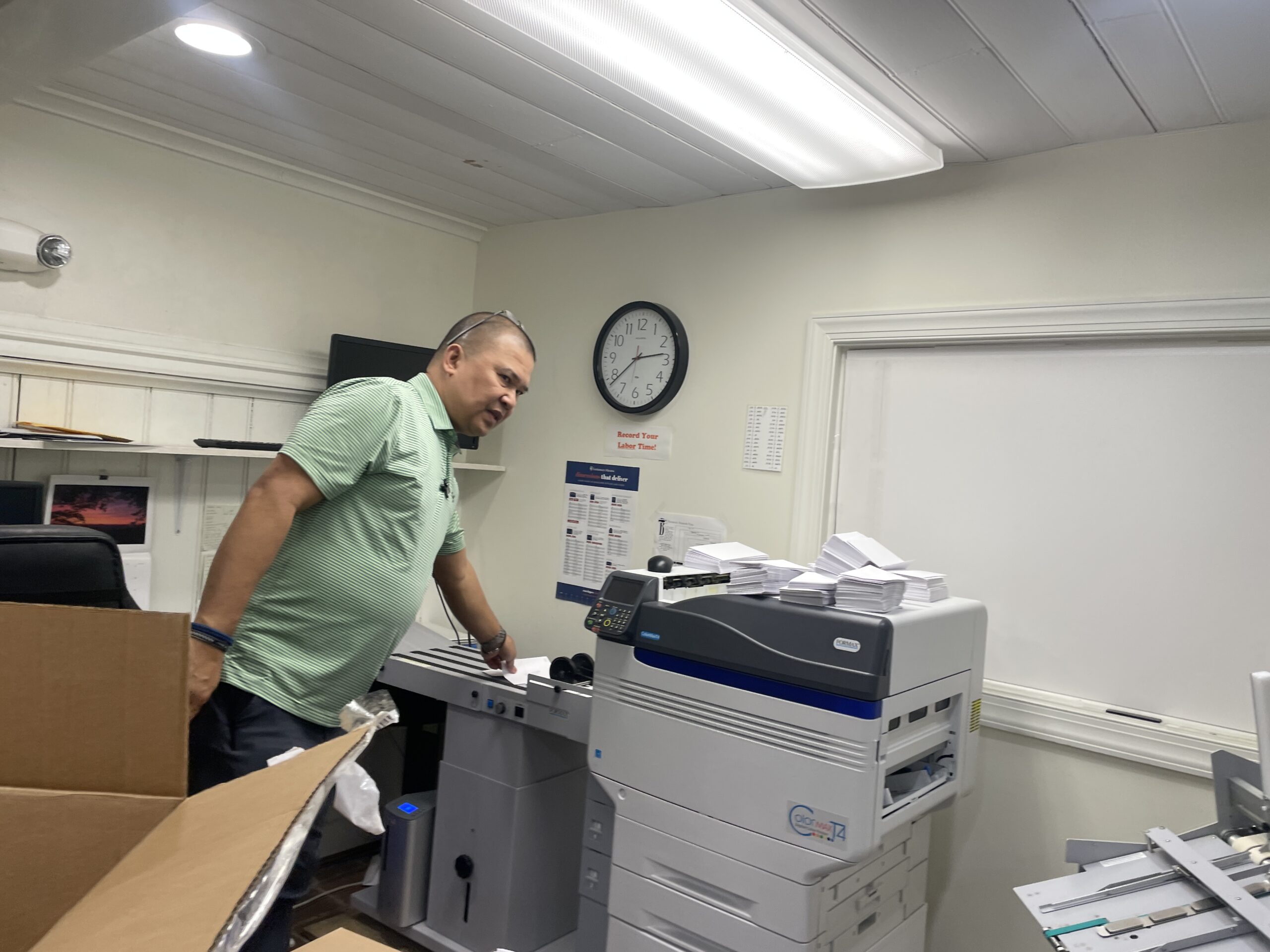
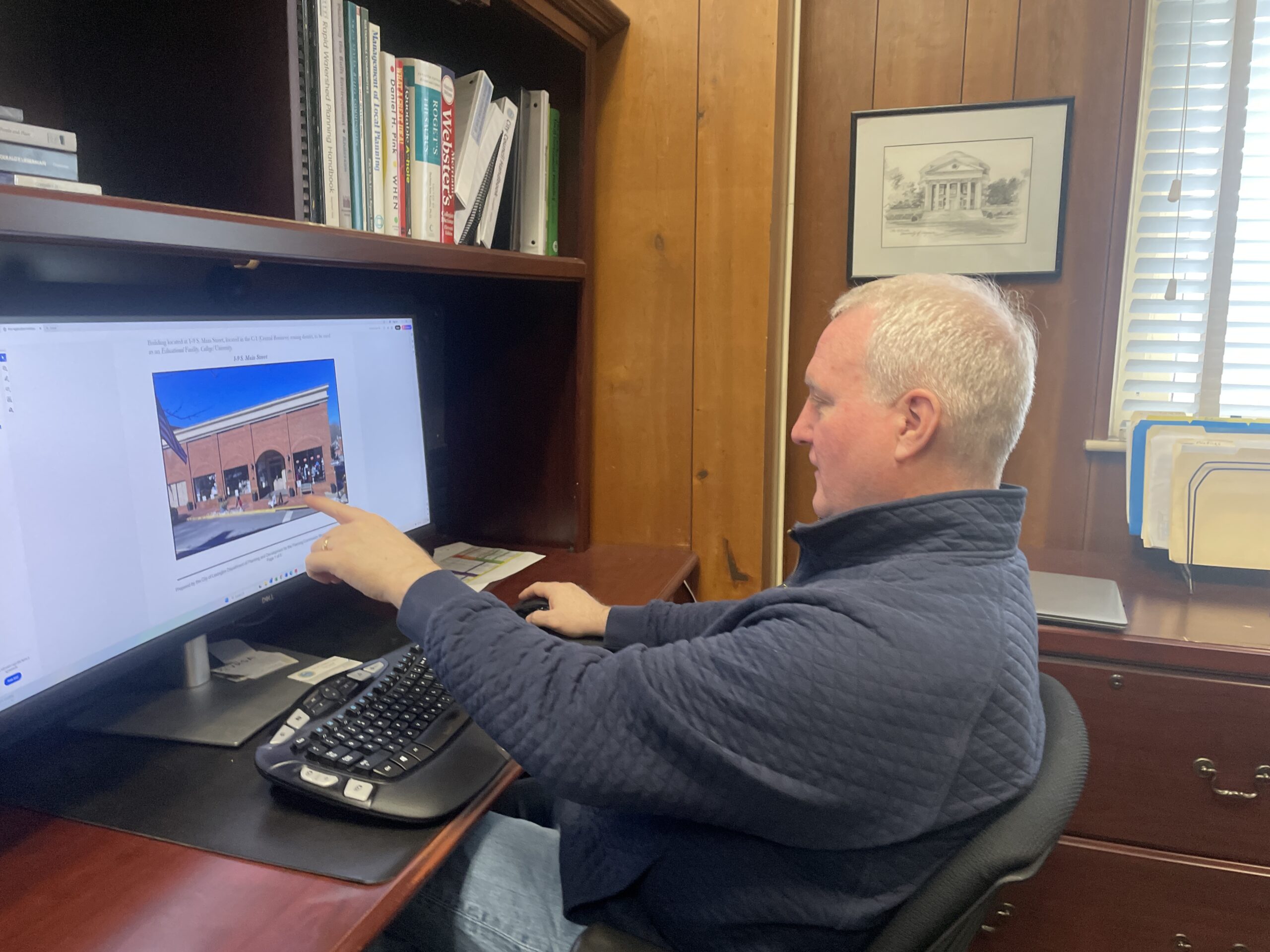
Recently, zoning permits requested by Richmond developer John Adamson allowed the former Rockbridge Building to house W&L administrative offices. His newest permit request would allow the W&L Copy Services to move into the Grand Building’s basement on Main Street. The Lexington City Council will vote Thursday on the request.
If building owners like Adamson seek to lease to universities, they must obtain city zoning permits per Lexington’s ordinances.
The issue of institutional creep, a term describing a university’s expansion past campus boundaries, has been a controversial topic for Lexington.
“We want to keep control over how much Washington and Lee University is located downtown, and right now that’s the big debate,” Lexington Mayor Frank Friedman said.
City plans to address ‘institutional creep”
Now, city officials say they want to initiate conversations with both W&L and Virginia Military Institute to gain a better idea of their future expansion plans, Lexington City Manager Tom Carroll said.
“We would probably want to sit down fairly soon with the colleges to see what their appetite is,” he said.
Carroll hopes to reach a shared understanding of how the universities intend to utilize properties outside of campus. While no plans have been officially set, this is a city goal for next year.
“W&L has always been a willing participant for discussions such as this,” said Emily Innes, the university’s assistant communications director. “We have a good relationship with the city manager and are always willing to talk.”
VMI communicates with the city about construction plans, according to Lt. Col. Sherry Wallace, VMI’s communications director. Most recently, the school presented to city council about upcoming projects in January.
“We have not received a formal invitation from the city to discuss ‘creep,’ but we keep lines of communication open with them,” she said.
There have also been efforts among city council members to research how other college towns have dealt with creep. John Driscoll, a city council member who is a professional planner, has researched the relationships between colleges and cities and how they develop, Carroll said.
Community concerns about a changing downtown
“I think we can look at the past, not just ten years, but the last 40 years, and say, well, it has slowly, gradually, continued on,” VMI professor Patrick Rhamey said.
“It should be a symbiotic relationship, and with W&L taking over so much of the downtown, that could potentially jeopardize the town”
Rhamey was on the city council between 2014 and 2018. During his time, he was very active in opposing expansions, he said. If he was on the city council today, he would not vote in favor of Adamson’s zoning requests.
According to city council member Nicholas Betts, institutional creep cannot be the only reason to deny a zoning request. There has to be reasonable concern that the request would impact city services such as parking, Betts said.
Tina Miller, the owner of Walkabout Outfitters, said she appreciates W&L’s contribution to the community. But Miller said she also believes W&L’s creep into downtown will impact the neighborhood’s character.
“It should be a symbiotic relationship, and with W&L taking over so much of the downtown, that could potentially jeopardize the town,” she said.
Rhamey said he thinks the city’s downtown has lost character over the years due to W&L’s creep. There was more excitement downtown in the 80s and 90s, and more spots for college students to occupy then, Rhamey said, a stark difference from today’s downtown, which is filled with hobby shops and offices.
“I think the school’s encroach into downtown helps drives out the character,” he said. “It makes it feel more bland, more cookie cutter. And, in that sense, I think we see the consequences.”
Innes said she understands the concern about institutional creep but thinks the university offices bring employees to the downtown district, where they are likely to shop and dine.
“I don’t believe that the uses W&L has sought in downtown spaces have been detrimental,” she said.
The benefits of university leasing
City council member Marylin Alexander said in an email that, when the city council approved W&L’s Master Plan in 2022, she was under the impression the university would only expand through school-owned buildings like on Lee Avenue.
“Twenty years ago, the sentiment was that W&L was trying to close itself off from the city… I would like to think that the leases have helped us become a better partner with – and more integral part of – the city.”
However, the university leasing buildings downtown comes with some perks, she said.
“Buildings would receive much needed renovations, the school would get office space needed, and the properties would remain on the city tax rolls,” Alexander said.
According to Innes, leasing allows W&L to gain spaces for a period of time for campus needs and allows W&L to “be less insular.”
“Twenty years ago, the sentiment was that W&L was trying to close itself off from the city,” she said in an email. “I would like to think that the leases have helped us become a better partner with – and more integral part of – the city.”
Lexington City Council to discuss creep related zoning permits
When discussing Adamson’s permit request for the former Rockbridge Building in October, the city council’s vote was split. The mayor had to cast a tiebreaker in favor of the zoning permit.
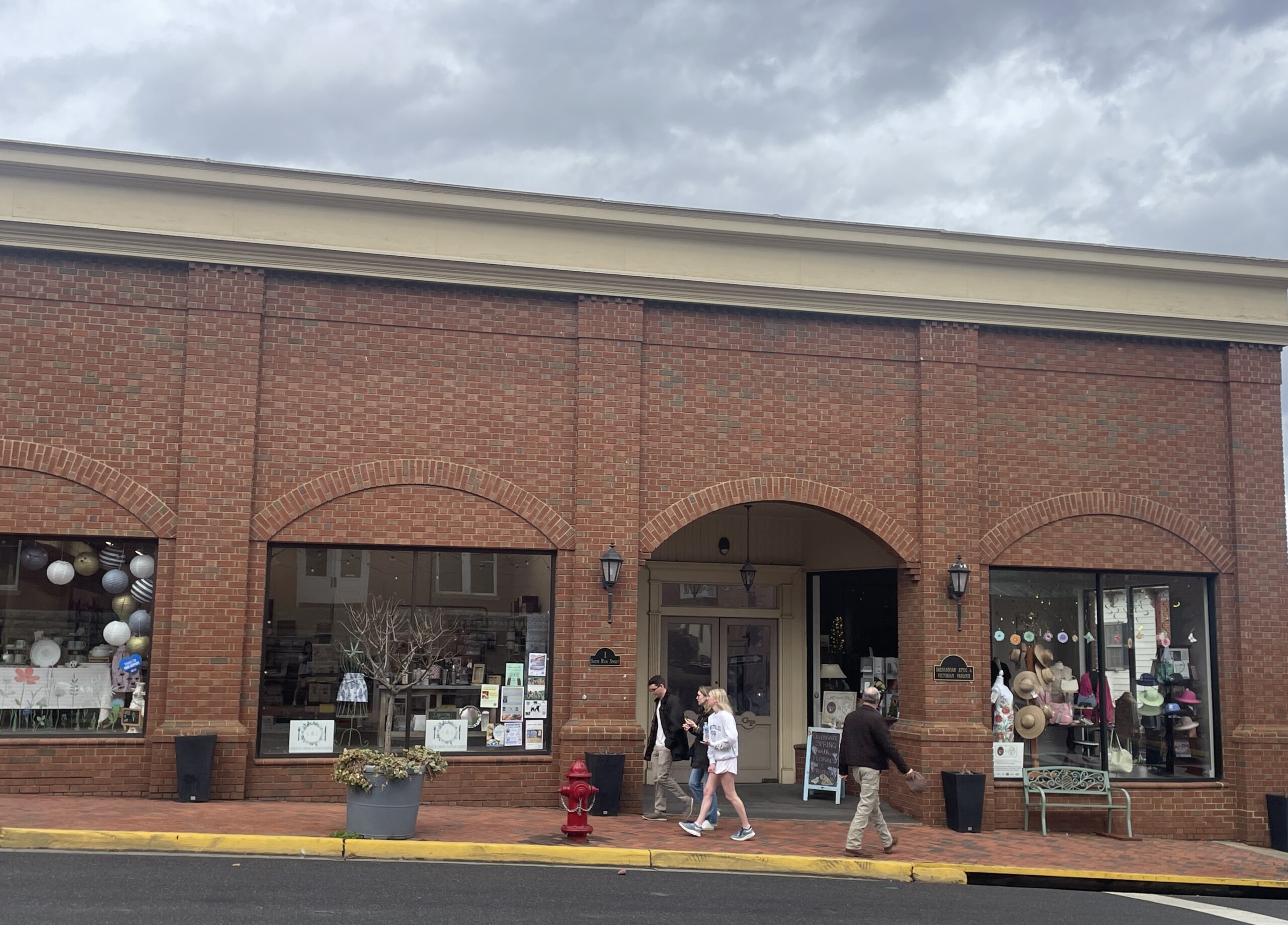
Friedman said he hopes city council members will have a shared understanding of their zoning goals to avoid another tie. The council has hosted several work sessions to prepare for Thursday’s zoning request that permits W&L use of the Grand Building.
In those sessions, the council’s differing opinions were addressed, while reviewing the city zoning guidelines.
“I found the sessions as a reaffirmation of guidelines we were already aware of,” Alexander said. “But it always helps to hear complicated planning and zoning guidelines multiple times, especially when you’re not addressing such matters regularly as the planning commission does.”
However, Carroll anticipates another split vote when the city council reviews Adamson’s newest zoning request Thursday.
“I think some of the same considerations that concerned council members before are still present,” he said.
Items like parking availability, economic vitality, and use of public service are the primary concerns among council members, Carroll said.
Besides the Grand Building, W&L has no other current plans for expansion into downtown offices, Innes said.
Meanwhile, VMI Alumni Agencies plans to temporarily rent downtown office space until the school builds them a new building, Wallace said.