

By Jordan Hoover
The Lexington City Council is set to discuss a proposed ordinance that would allow a new type of high-density housing in the city. The so-called “cottage housing” would consist of a cluster of small single-family homes, with a community space, on one plot of land.
The development concept maximizes land efficiency by creating more housing options in a more compact space, according to Max Ivankov, owner of MaxMark Homes, who initially proposed the idea to the city. Because of the closeness of neighbors and built-in communal spaces, there is an emphasis on generating a community.
This concept is popular in Washington state, according to Ivankov, who said he thinks the community aspect of cottage housing will fit in well with Lexington.
“I think this would be really cool because Lexington is that type of environment where people with similar likes and interests will benefit from something like this,” Ivankov said.
Ivankov is a local developer, builder, contractor and real estate agent who owns a small parcel of land at the corner of Walker and Houston streets. When deciding what to do with his one-acre property, he considered cottage housing.
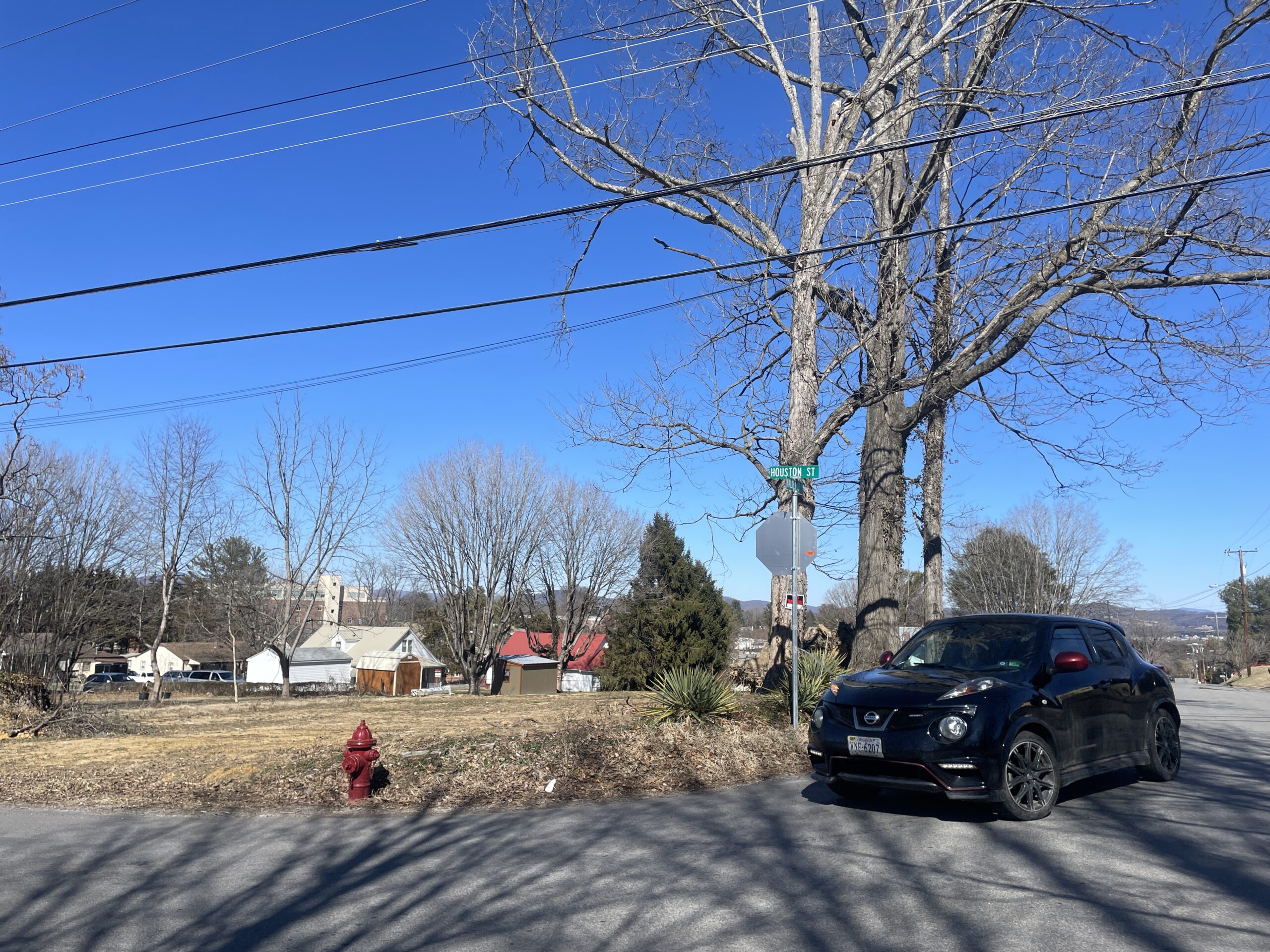
Last spring, Ivankov expressed his potential interest to Arne Glaeser, Lexington’s planning and development director. This conversation prompted the Lexington Planning Commission to draft an ordinance for cottage housing.
According to Glaeser, cottage housing fits in with the Lexington’s comprehensive 2040 plan, which calls for creating more housing options through zoning regulations that allow the city “to achieve higher densities and a diversity of housing options.”
In 2012, the city considered cottage housing for its Spotswood property, when a developer proposed to build “smallish homes,” Glaeser said. However, that proposal does not meet today’s cottage housing standards to include a common area, private outdoor space, parking and more.
Charlottesville developer Ashley Cooper and architect William Atwood had proposed to buy the Spotswood property from the city to build high-density housing. During the proposal process, Houston Street residents voiced concerns that the development would create traffic and parking problems.
The project was halted when the City Council decided to not sell the property, according to Glaeser. Today, the vacant lot is still owned by the city after plans to develop apartments were abandoned last year.
Cottage housing is unique for its high density, smaller units, parking units and community space, Glaeser said.
“We would hope that creative people with the ability to get a parcel or two to infill with a unique, special cottage housing planned development would provide an opportunity for people to own their own cottage house in Lexington,” Lexington City Manager Tom Carroll said.
“It’s not just about housing people. It’s a community to live in.”
When The News-Gazette first published an article about the city and Ivankov’s interest in cottage housing, Ivankov said he received initial strong feedback.
“I kid you not that we got the three phone calls — people calling in and saying what do I need to reserve those cottages?” he said.
Ivankov hasn’t committed to cottage housing for his Walker-Houston property. Since discussions are only conceptual, he said, he is not taking any reservations.
Even so, if he does choose to build cottage housing, it will take between five and seven years until the project is completed, he said.
The Lexington Planning Commission has been discussing cottage housing since May. The ordinance was passed by the commission on Feb. 13.
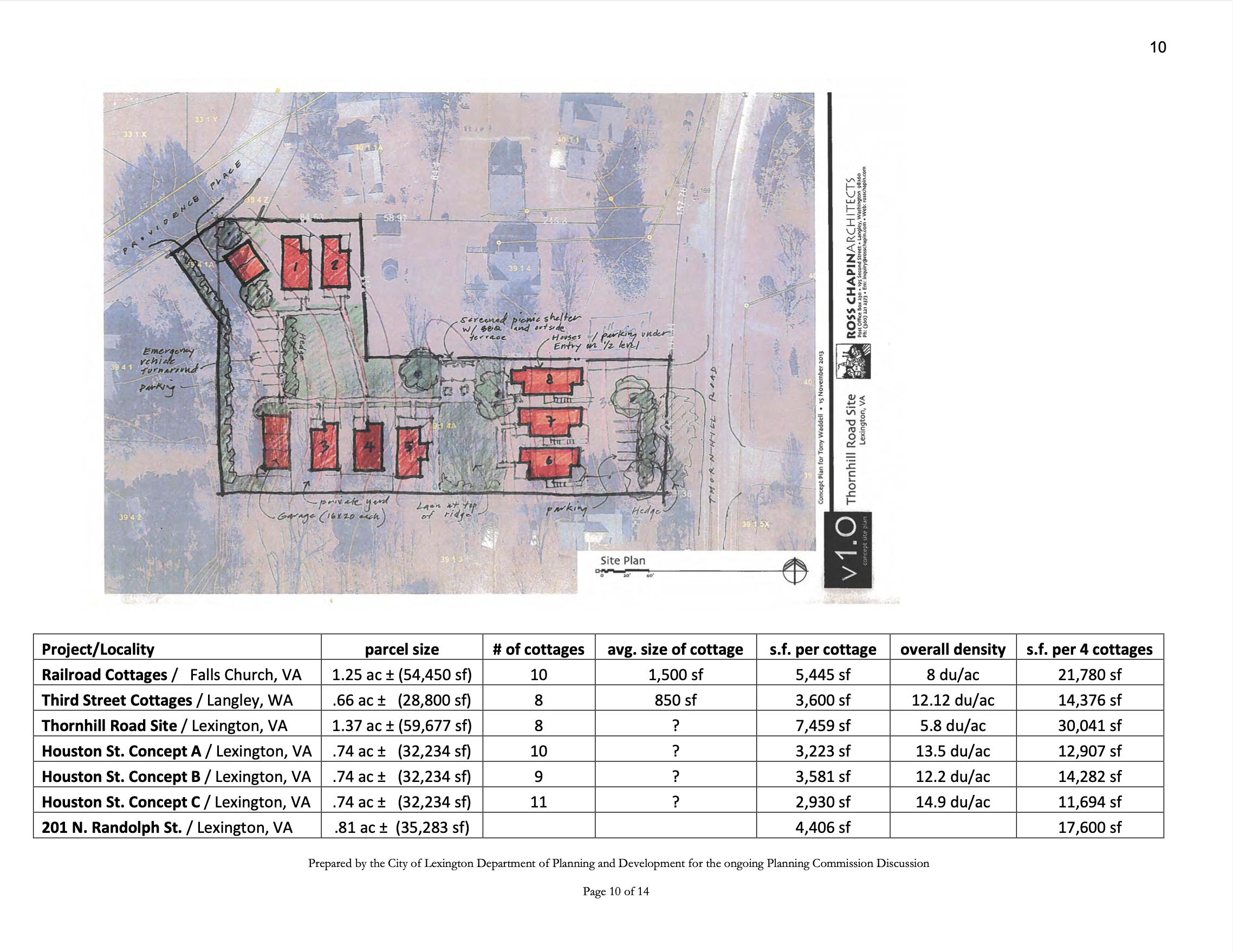
A supplemental packet, created by Glaeser highlights potential locations for such housing around Lexington, along with examples from other cities and past rejected proposals. Among the possible sites, the packet includes Ivankov’s property and land at 201 N. Randolph St.
The ordinance defines cottage housing, requires a zoning request to be approved before building, and sets the minimum and maximum density limits for the property. It also sets guidelines for off-street parking units and design factors.
The city council will discuss the ordinance during its March 20 meeting. The public hearing was originally set for March 6, but was cancelled due to scheduling conflicts among members.

“It meets the city council’s goals of increasing and diversifying our housing supply,” said Leslie Straughan, a member of both the city council and the planning commission. “So, I think they’ll be very receptive to it.”
Straughan is able to cast her vote when the city council discusses the ordinance, despite her dual role in both organizations, she said.
In making their decision, council members will consider whether the ordinance is feasible for developers, Straughan said.
Since the ordinance requires developers to submit city zoning requests, neighbors will have the chance to express concerns during the approval process, she said.
“It’s not just about housing people. It’s a community to live in,” Ivankov said.